

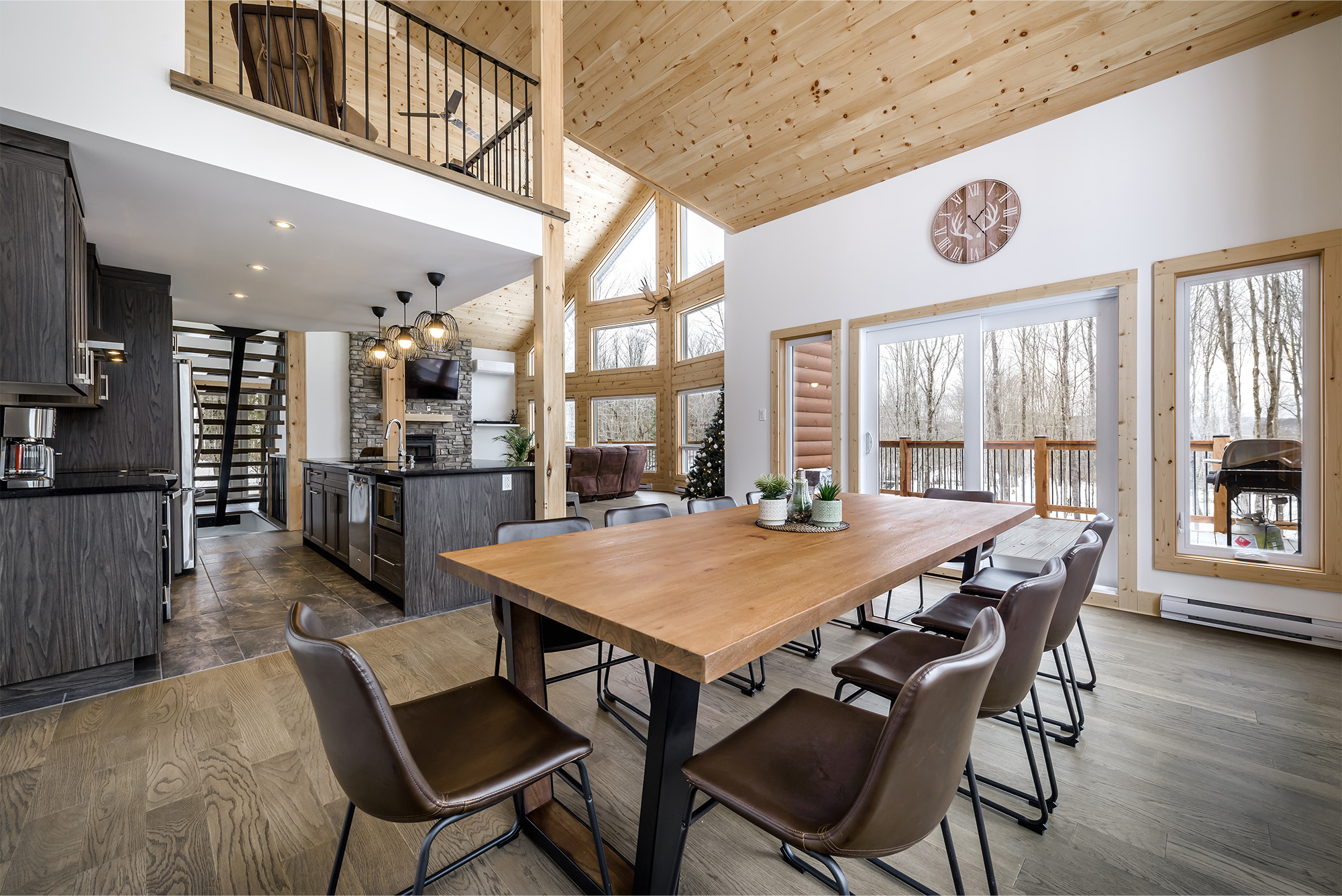
Your dining room is more than a place to sit down for a meal. It can be where you host family gatherings, celebrate special occasions, or enjoy a quiet dinner at the end of the day. The right flooring can help make this space feel intentional while complementing the rest of your home.
Hardwood flooring is particularly well suited to dining rooms because its natural character can work with a wide range of furniture and decorating styles. You can explore different hardwood flooring options before deciding which look best suits your space.
Choose a Tone That Complements Your Table
Your dining table is often the visual centerpiece of the room, so consider how the flooring will work alongside it. A lighter hardwood tone can create contrast beneath a darker table, while a richer floor can provide warmth around lighter furniture.
You do not necessarily need every wood element in the room to match perfectly. Choosing complementary tones can create a layered appearance while allowing individual pieces to retain their character.
Think About the Overall Atmosphere
The color and finish of hardwood can influence how your dining room feels. Warm tones can create a traditional and comfortable atmosphere, while lighter finishes may give the room a cleaner and more contemporary appearance.
If your dining area receives plenty of natural light, you have more flexibility when considering different shades. In rooms with limited lighting, a lighter floor may help create a brighter overall impression.
Make the Flooring Work With Your Layout
The layout of your dining room can influence how the hardwood flooring is installed. The direction of the boards can help guide the eye through the room and may emphasize the room's proportions.
If your dining area connects directly to another living space, you can also consider how the hardwood will transition between the two areas. A consistent flooring style can create visual continuity and make connected spaces feel more cohesive.
Consider Everyday Dining Room Activity
Your dining room may experience more activity than you initially expect. Chairs are moved frequently, guests walk around the table, and food or drinks can occasionally spill.
Using furniture pads beneath chair and table legs can help reduce the chance of scratches. You can also address spills promptly and follow appropriate care recommendations to help maintain the appearance of your hardwood floor.
Add a Rug to Define the Dining Area
An area rug can add texture and help visually define the dining space while allowing hardwood flooring to remain visible around the edges. When choosing a rug, make sure it is large enough for chairs to remain on the rug even when they are pulled away from the table.
This simple design element can also make it easier to introduce a new color or pattern without changing the flooring itself.
Create a Dining Room That Feels Connected
If you live in Central Falls, Providence, Pawtucket, or surrounding communities, your dining room may be connected to other parts of the home. Hardwood can provide a natural foundation that works with both traditional and contemporary interiors.
Massud & Son Floor Covering can help you explore flooring choices based on your home's layout, existing décor, and everyday needs. When you are ready to discuss a flooring project, contact Massud & Son Floor Covering to get started.
Final Thoughts
Your dining room deserves flooring that supports both everyday meals and memorable gatherings. Hardwood provides natural character and design flexibility, making it easier to create a space that feels comfortable and welcoming.
By considering the flooring tone, room layout, furniture, lighting, and finishing touches, you can create a dining room that feels polished while still reflecting the way you live.
Image suggestion: elegant dining room with hardwood flooring and dining table

